

Tower of Time and History

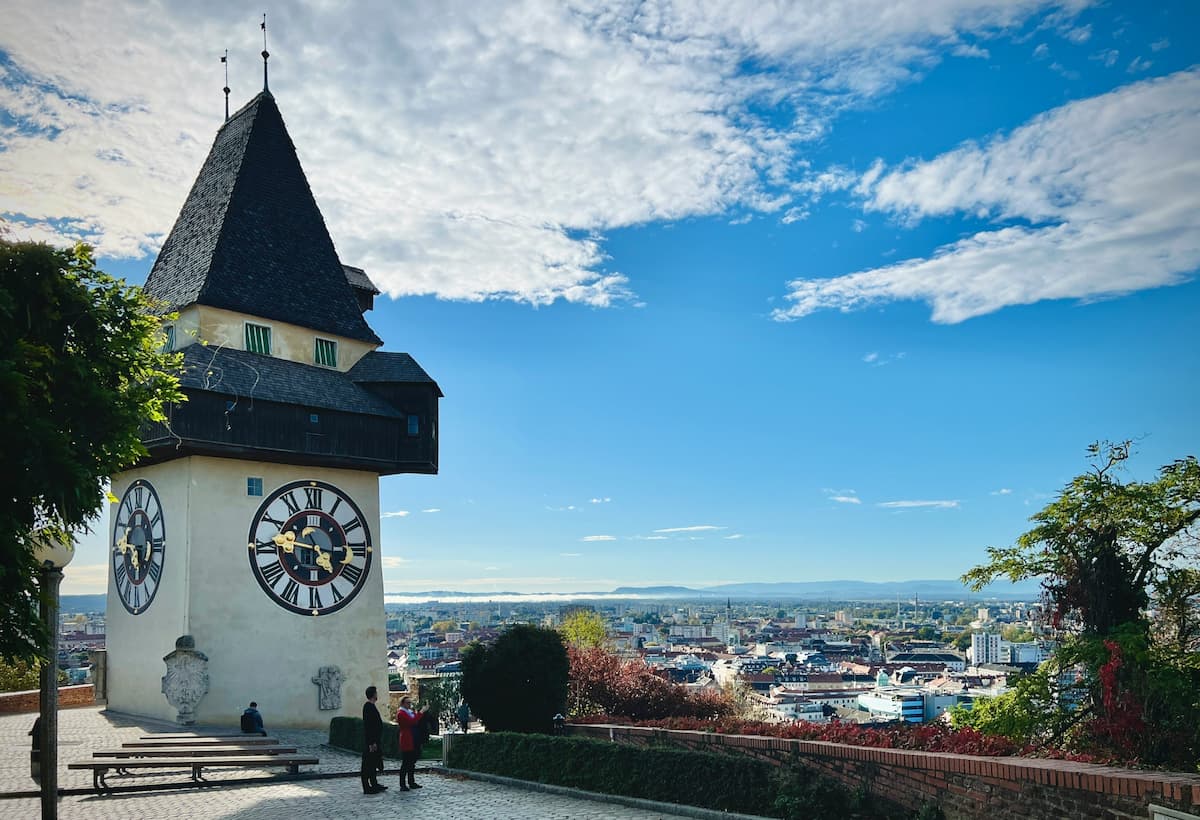
The Graz Clocktower is arguably the most iconic landmark of the city – charming,
steeped in history, and absolutely unmistakable. Perched high on the Schlossberg hill,
it offers not only a stunning panoramic view over Graz but also fascinating insights
into the city's past.
First mentioned in the 13th century, the tower received its current form in 1560.
One of its most striking features: the clock with its oversized faces and
reversed hands – here, the large hand shows the hours, and the small hand
shows the minutes.
A remarkable chapter in its history: When the fortress on Schlossberg was ordered
to be destroyed by Napoleon in 1809, the citizens of Graz stepped in to save the
Clocktower – and succeeded by buying it through a public fundraising campaign.
Since then, it has stood as a symbol of Graz’s pride and strong local identity.
Whether by day or night, a visit to the Clocktower is a must for anyone exploring
Graz – offering unforgettable views, scenic walks, and a living piece of history.
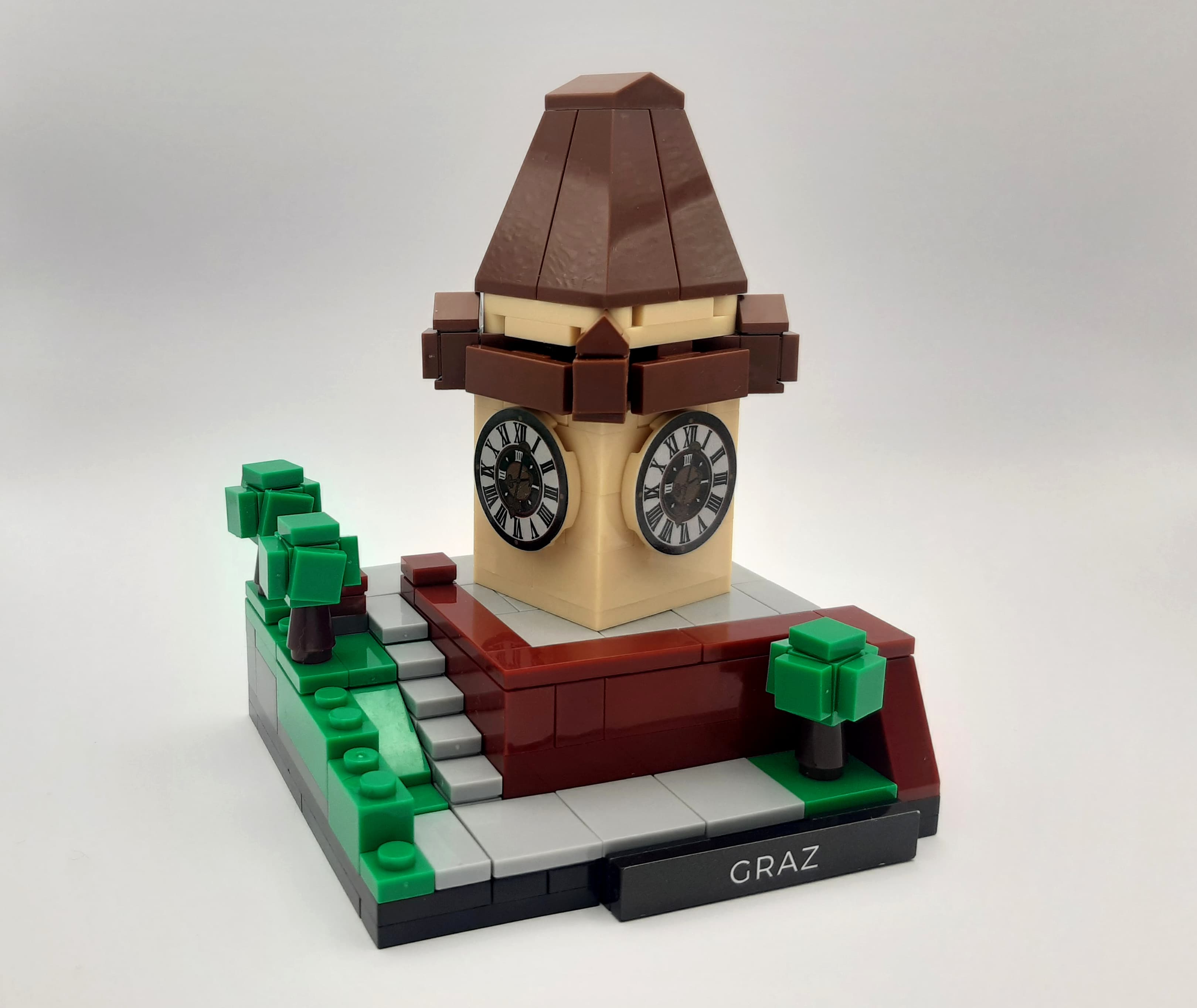
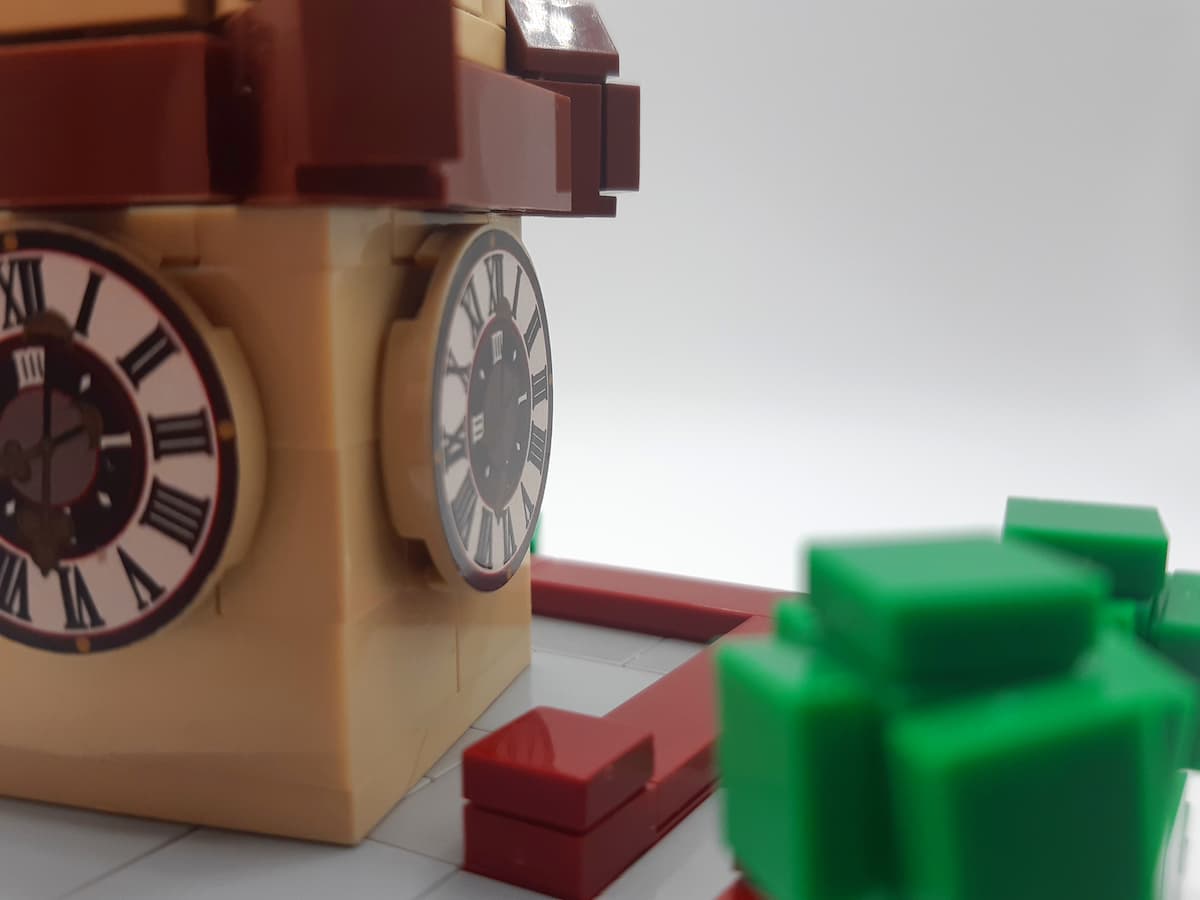
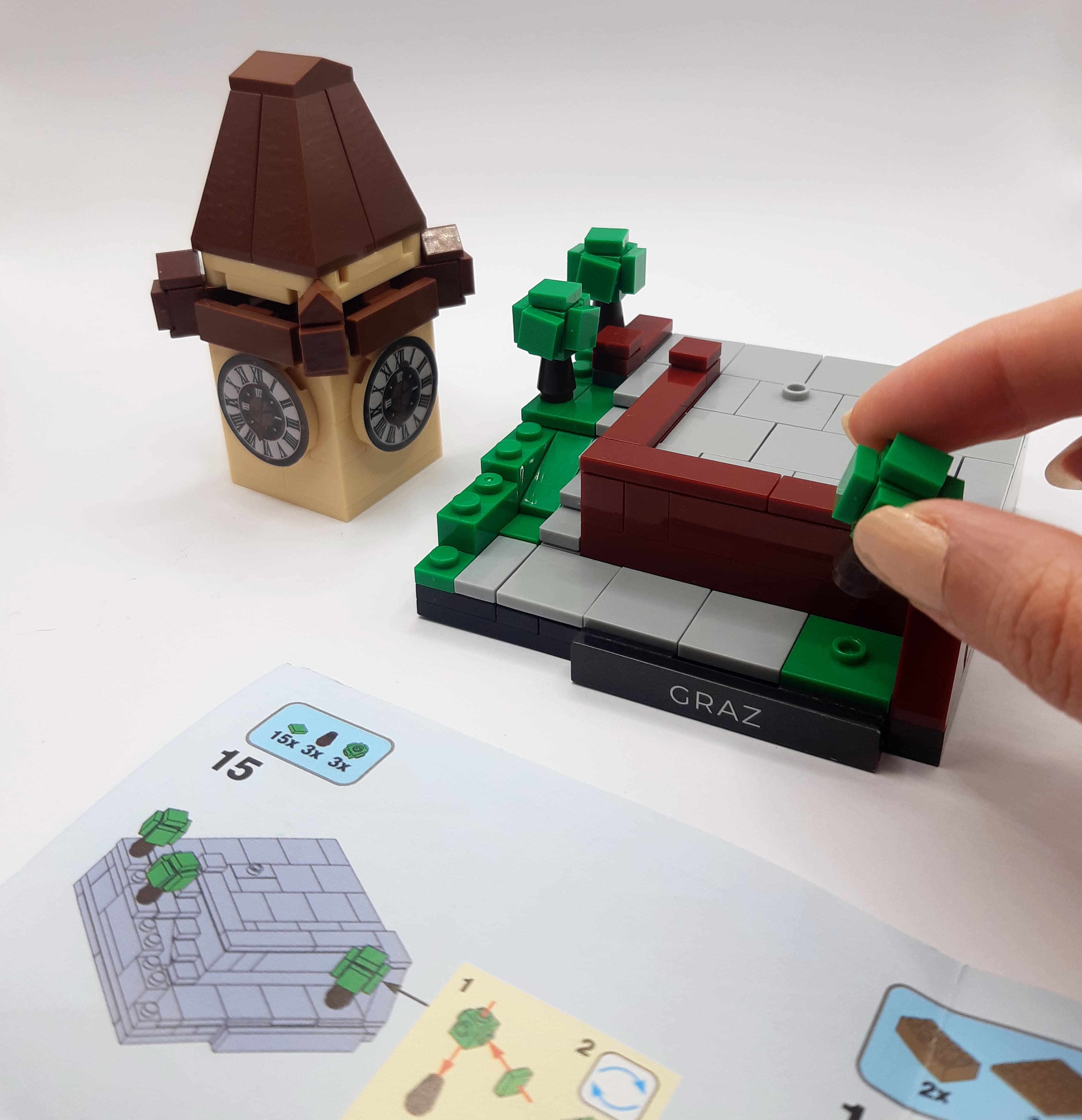
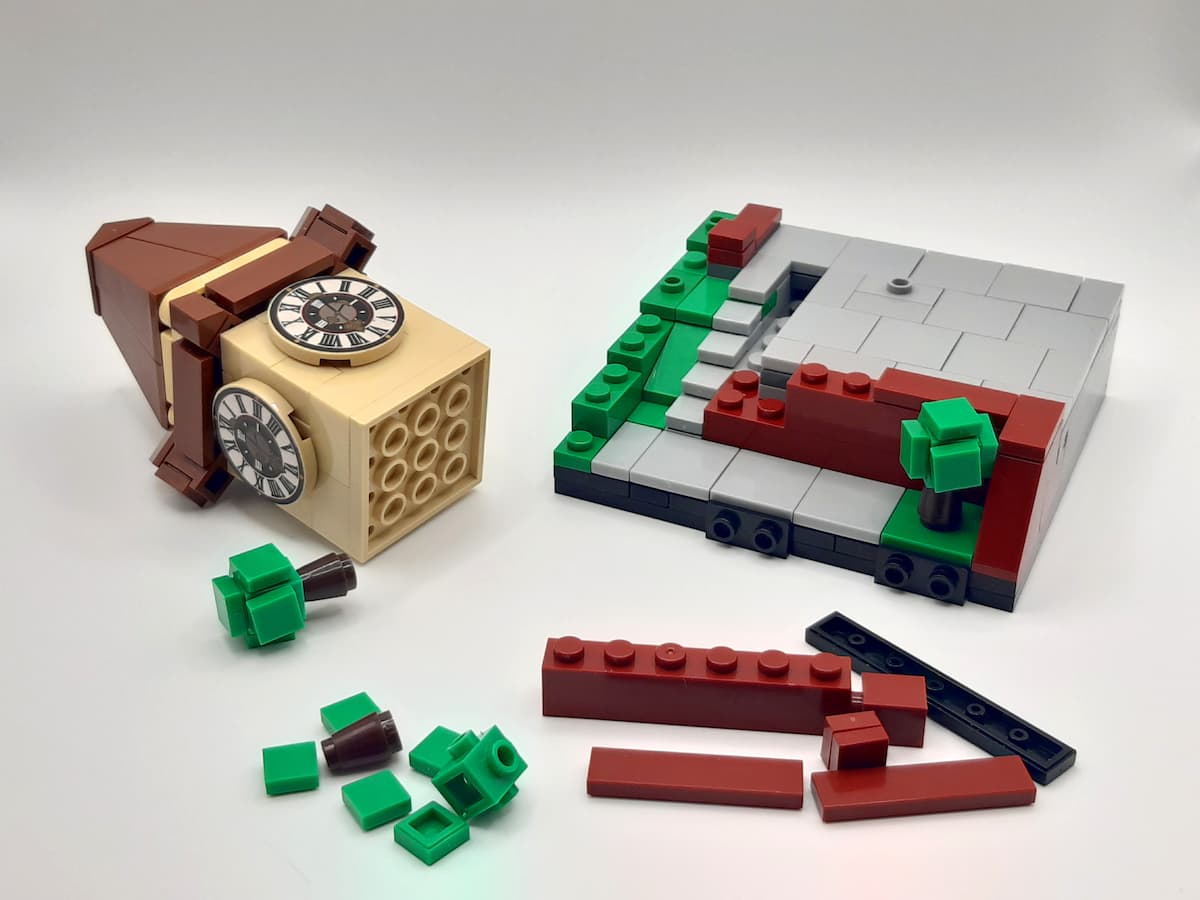
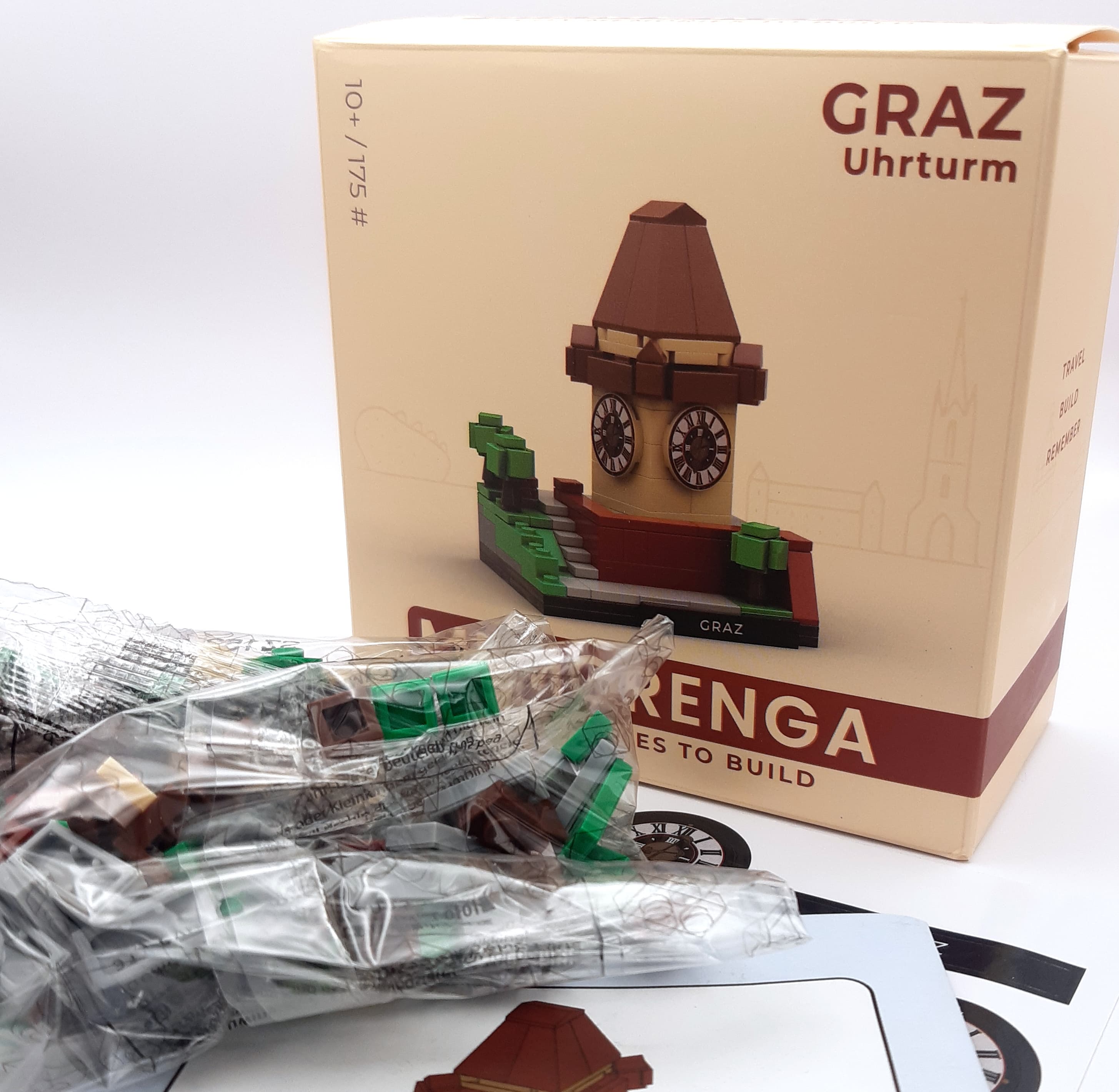
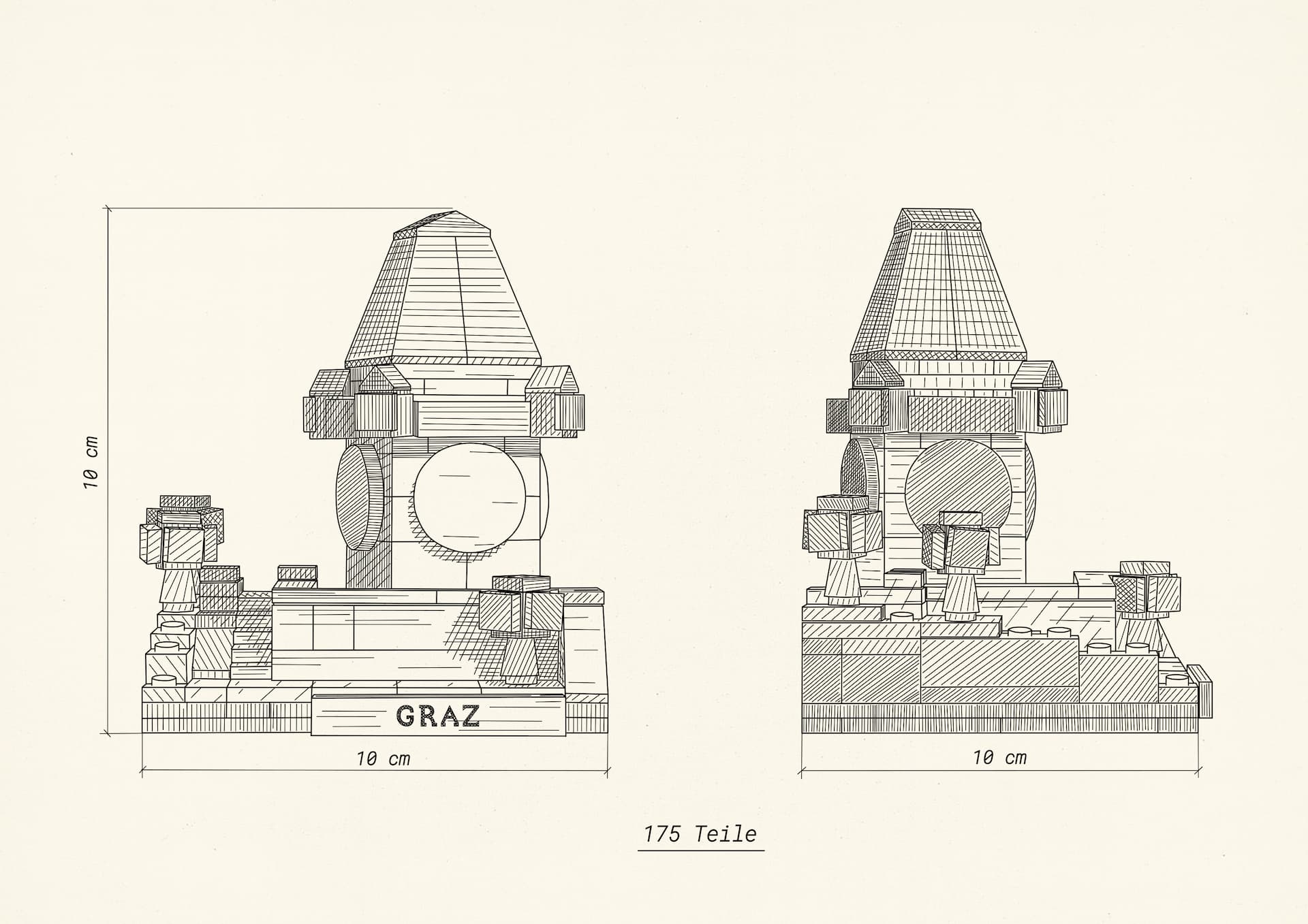
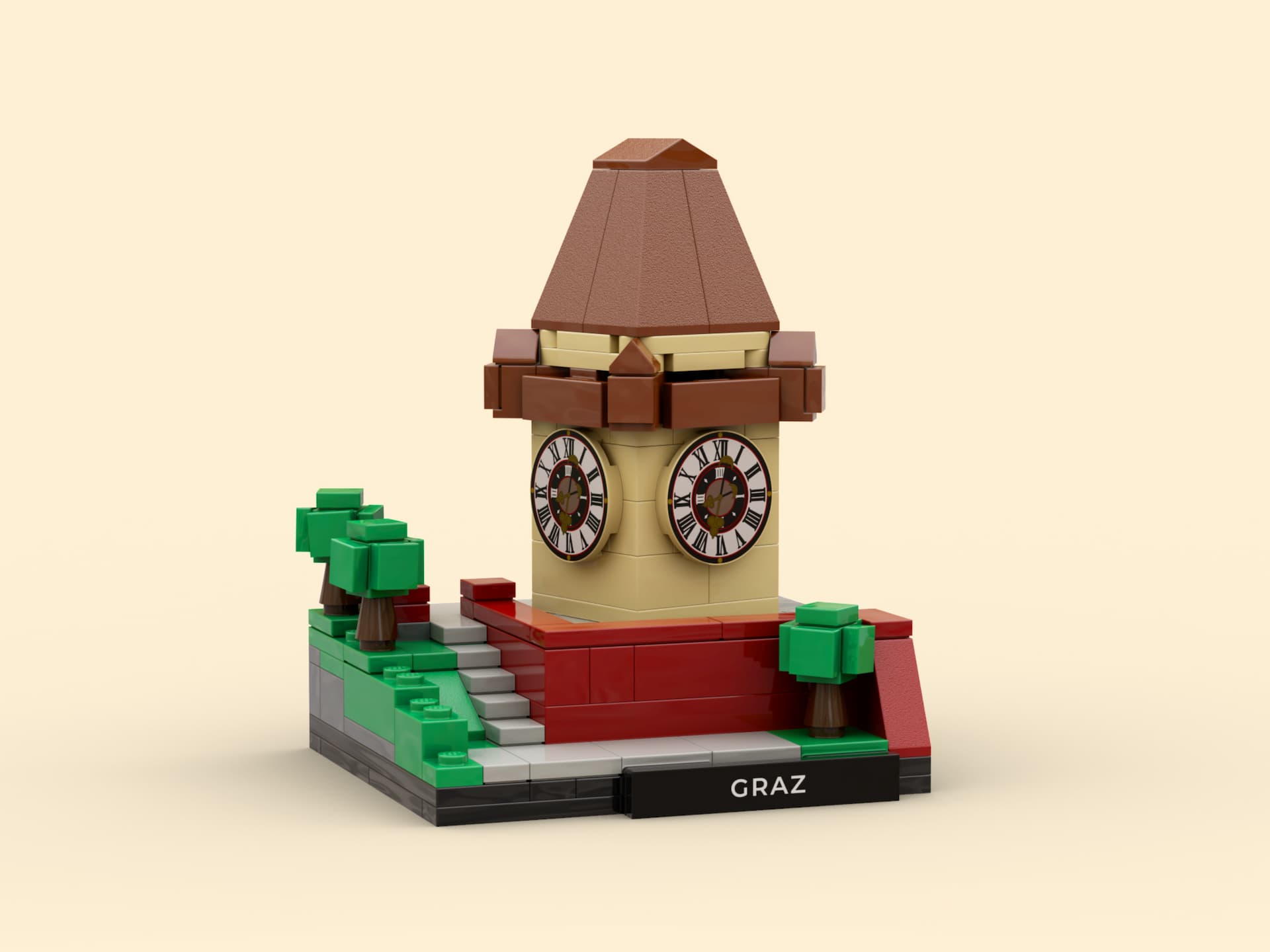
Inspired by real architecture, this stylized model recreates Graz’s iconic Clocktower on the Schlossberg. In designing it, our goal was not only to capture the tower’s distinctive shapes on a smaller scale, but also to reflect something of the unique character of its surroundings – the square, the view, and the feeling people associate with this place. Because it’s that atmosphere that makes the tower more than just a building.
Form of a New Era
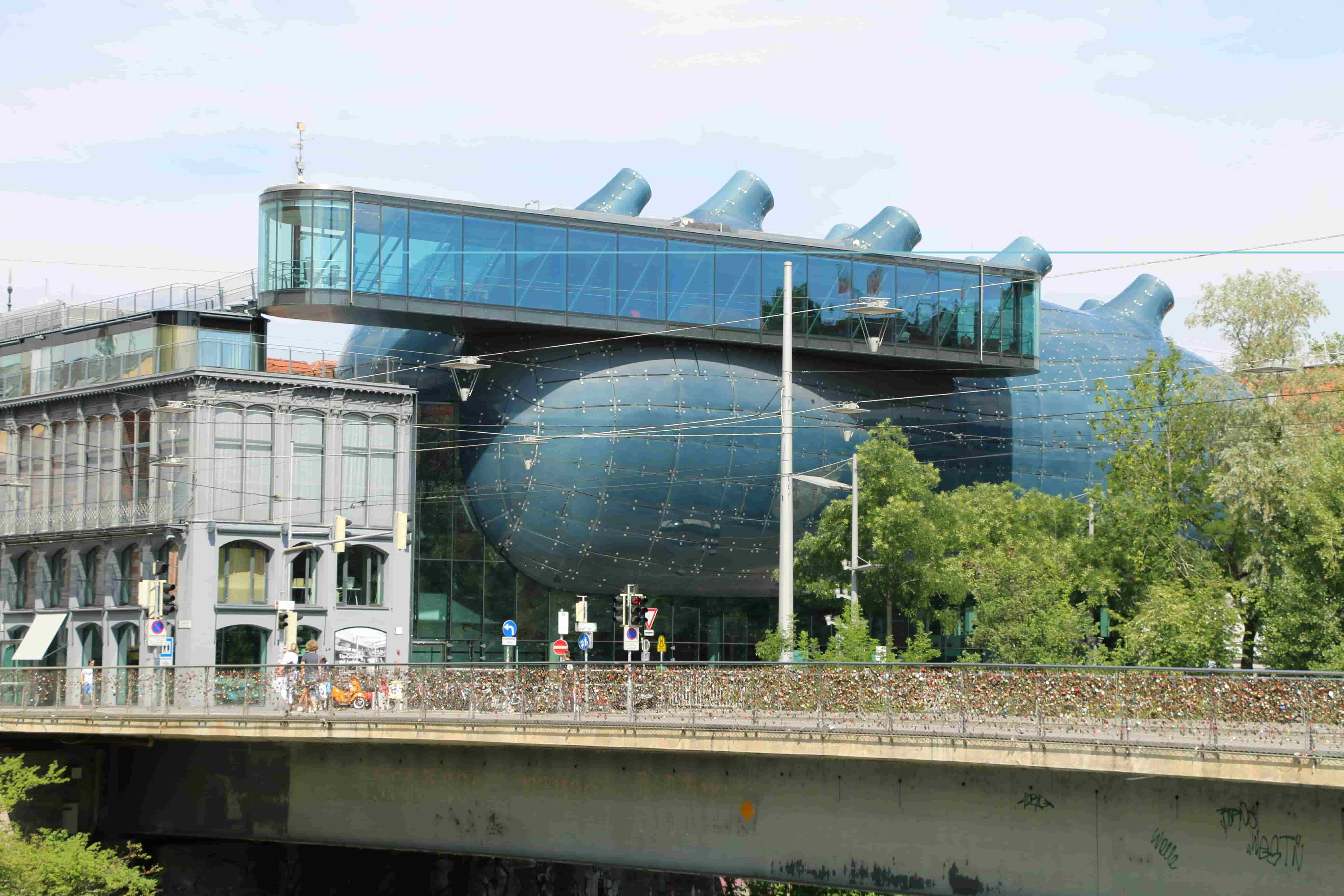
The Kunsthaus Graz, also known as the “Friendly Alien” because of its extraordinary form,
is one of the most striking buildings in the Styrian capital of Graz.
The Kunsthaus Graz opened in 2003 as part of the European Capital of Culture year. Designed
by architects Peter Cook and Colin Fournier, the building impresses with its organic, bubble-like
shape. Particularly eye-catching are the so-called “nozzles,” which protrude from the roof like eyes
and direct natural daylight into the interior.
The Kunsthaus is not a traditional museum with a permanent collection, but a lively exhibition
space for international contemporary art. Changing exhibitions, media art, and experimental
formats make each visit unique.
Whether you are an art lover or an architecture enthusiast, a visit to the Kunsthaus Graz opens
up new perspectives and impressively demonstrates how exciting modern art can be in dialogue
with a historic city.
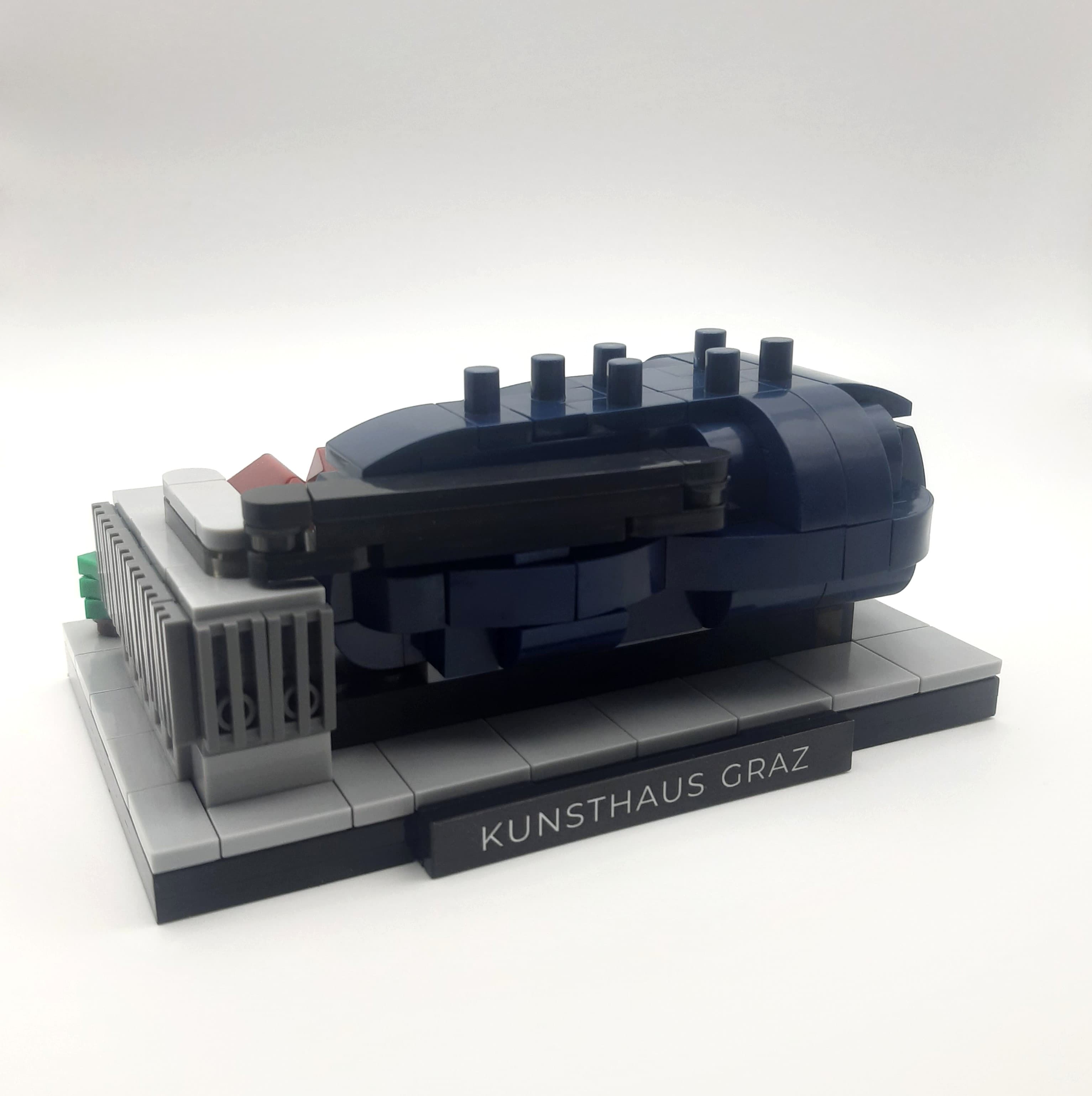
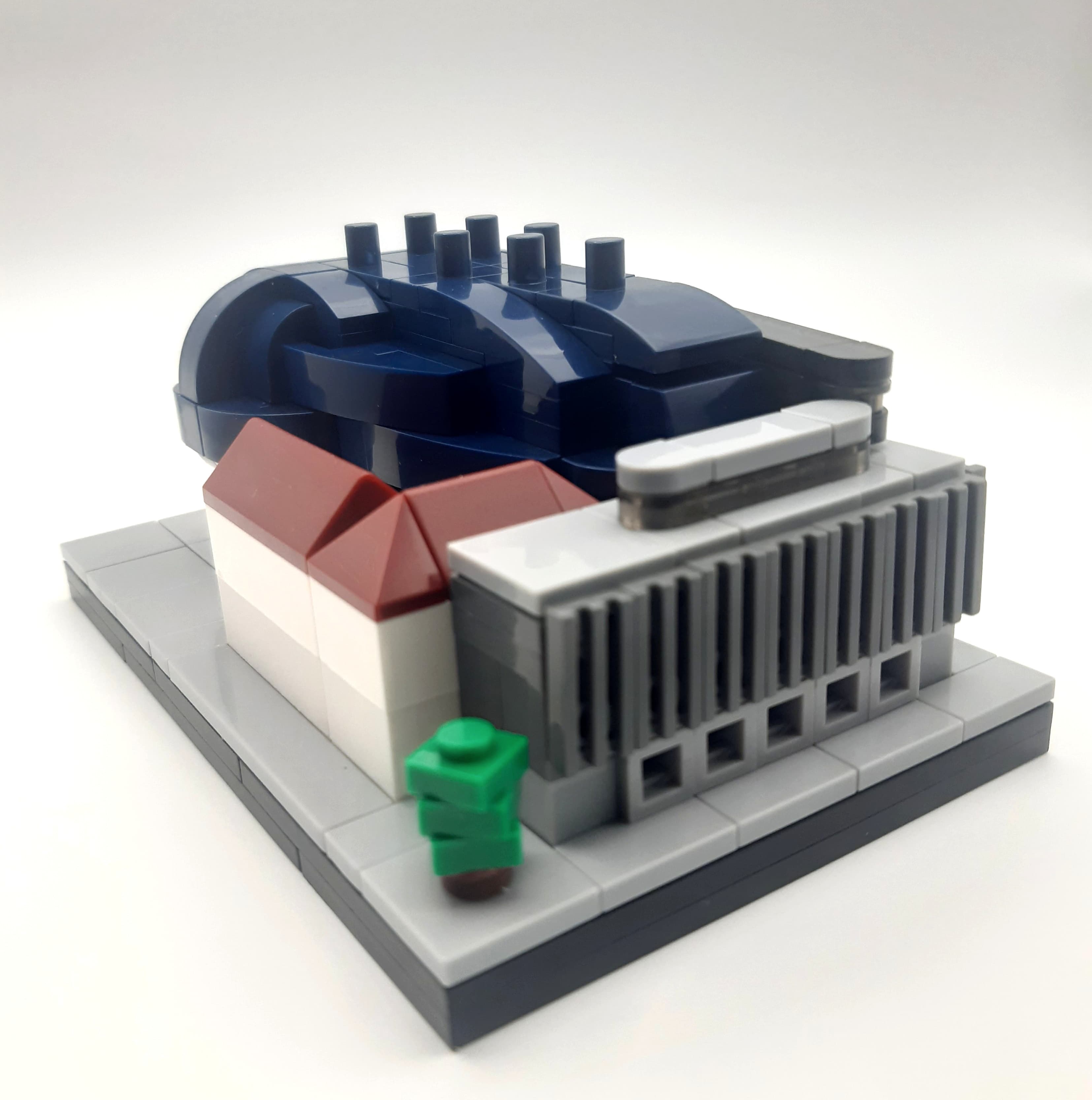
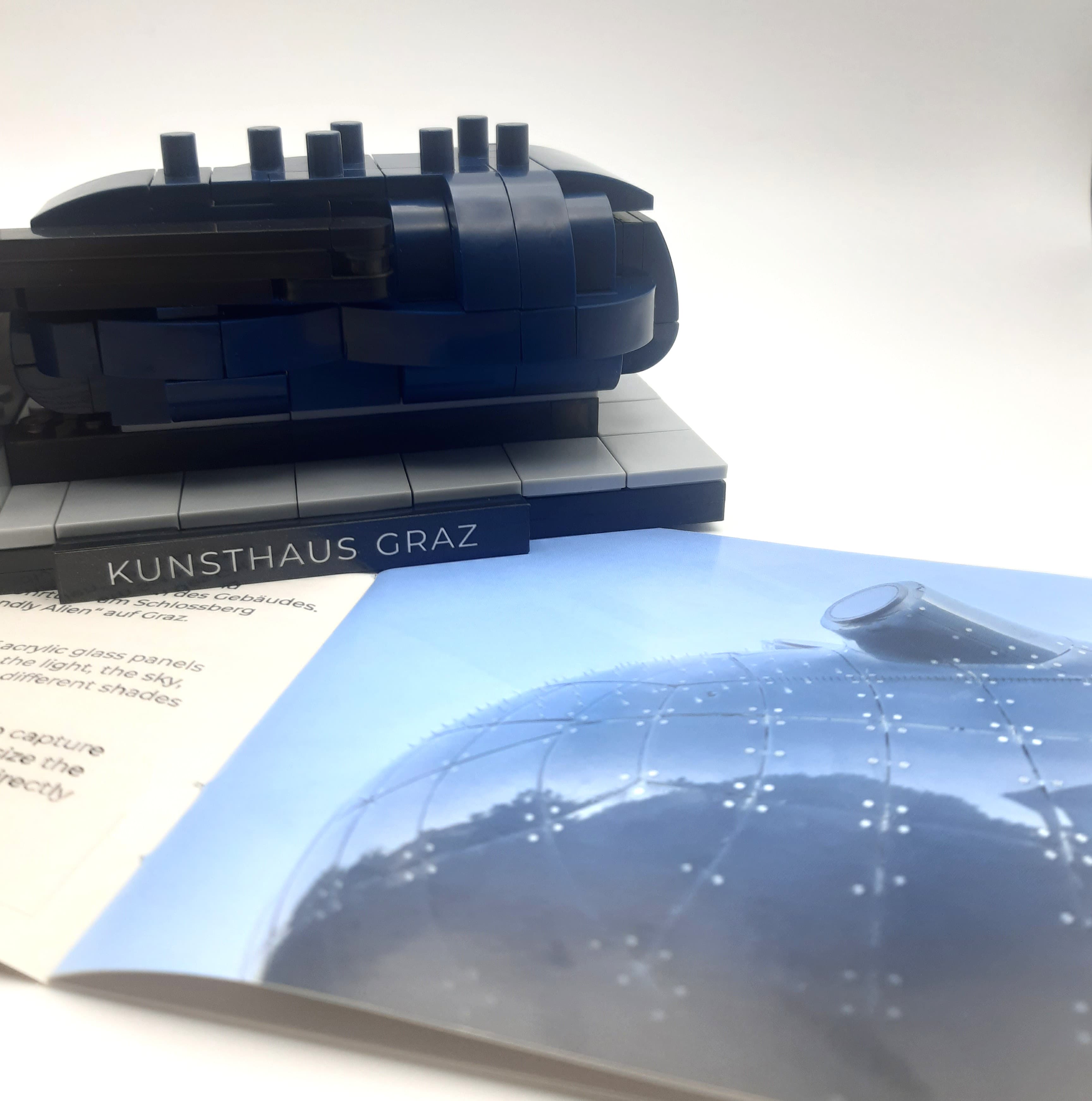
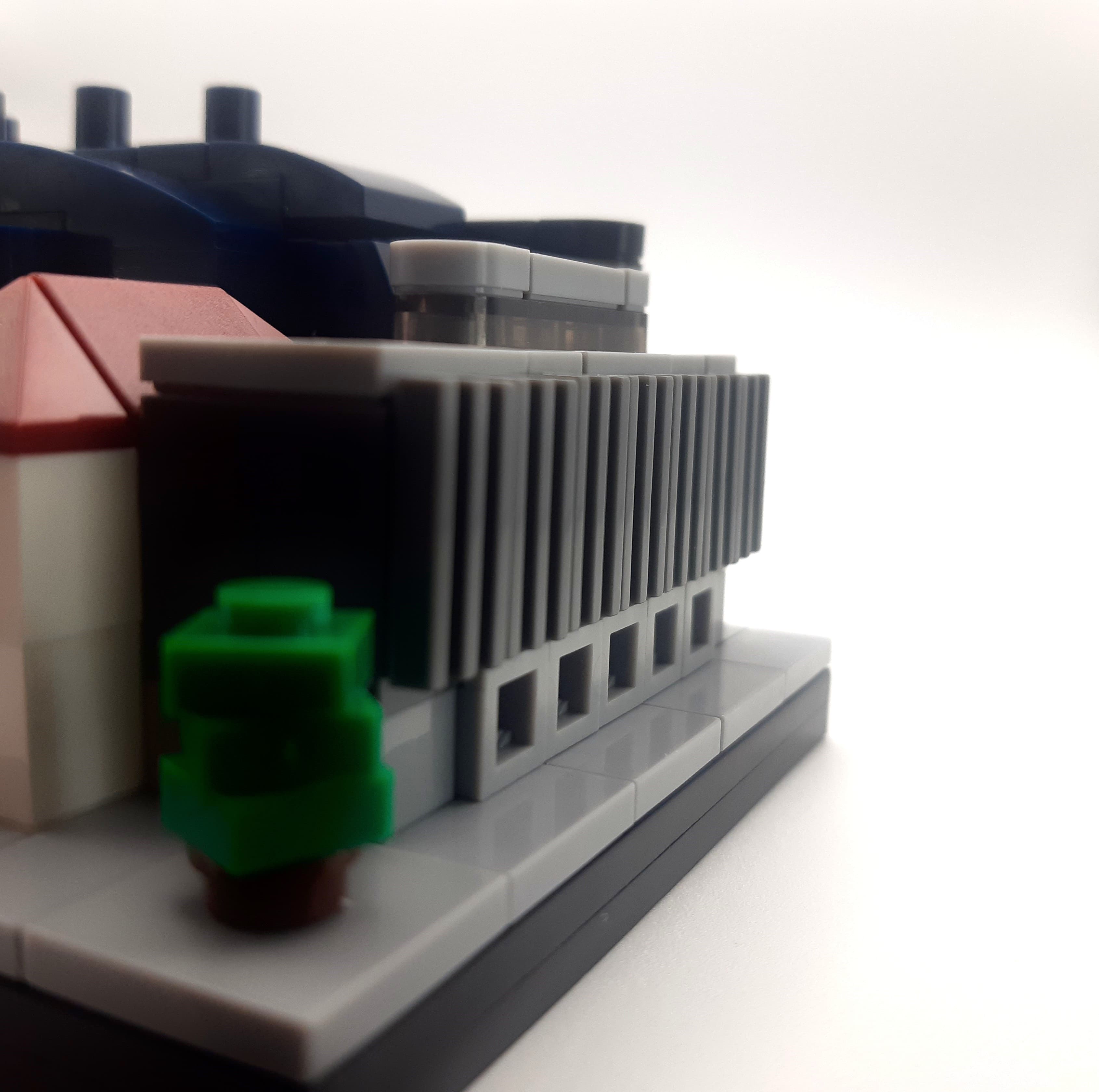
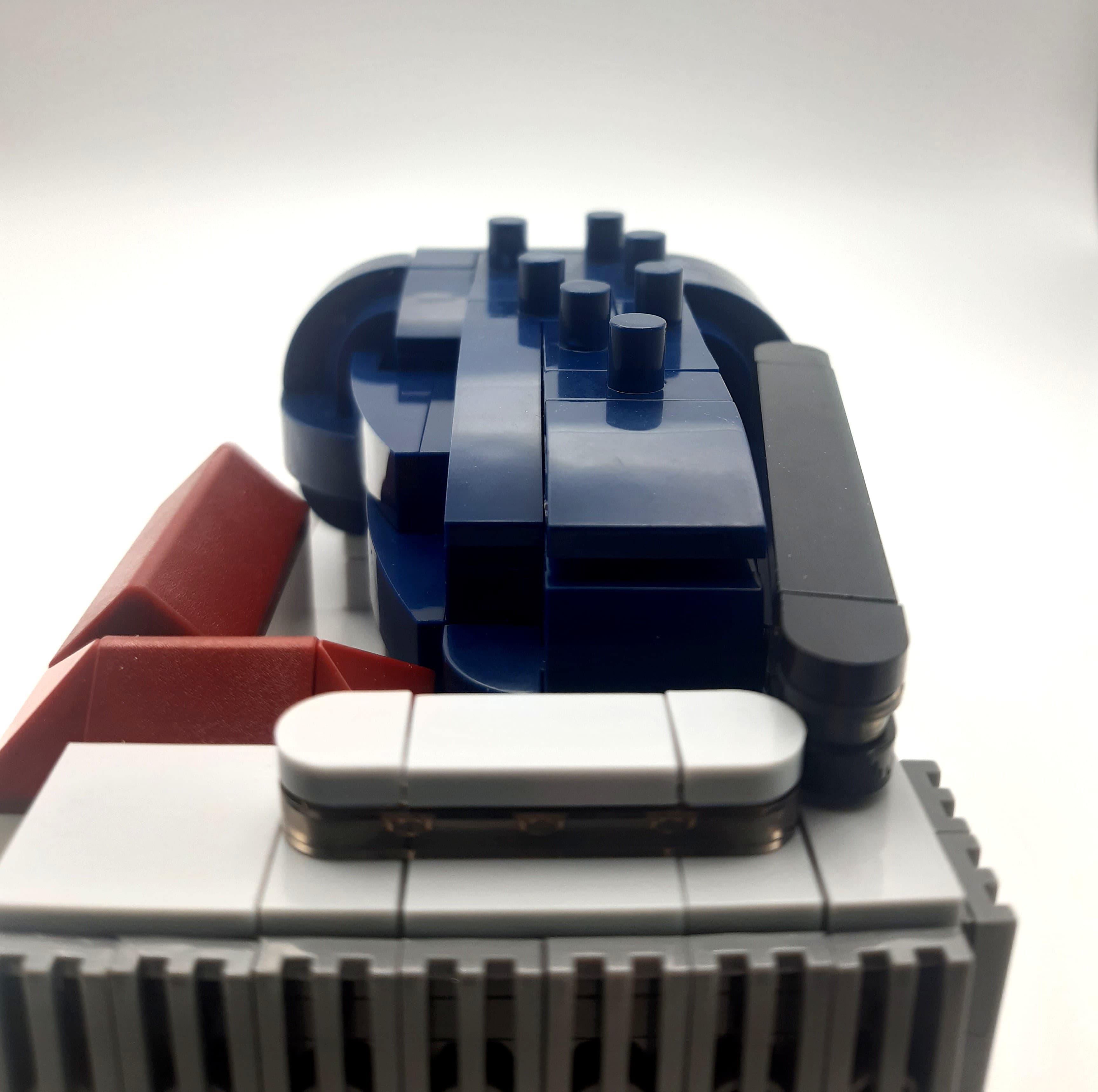
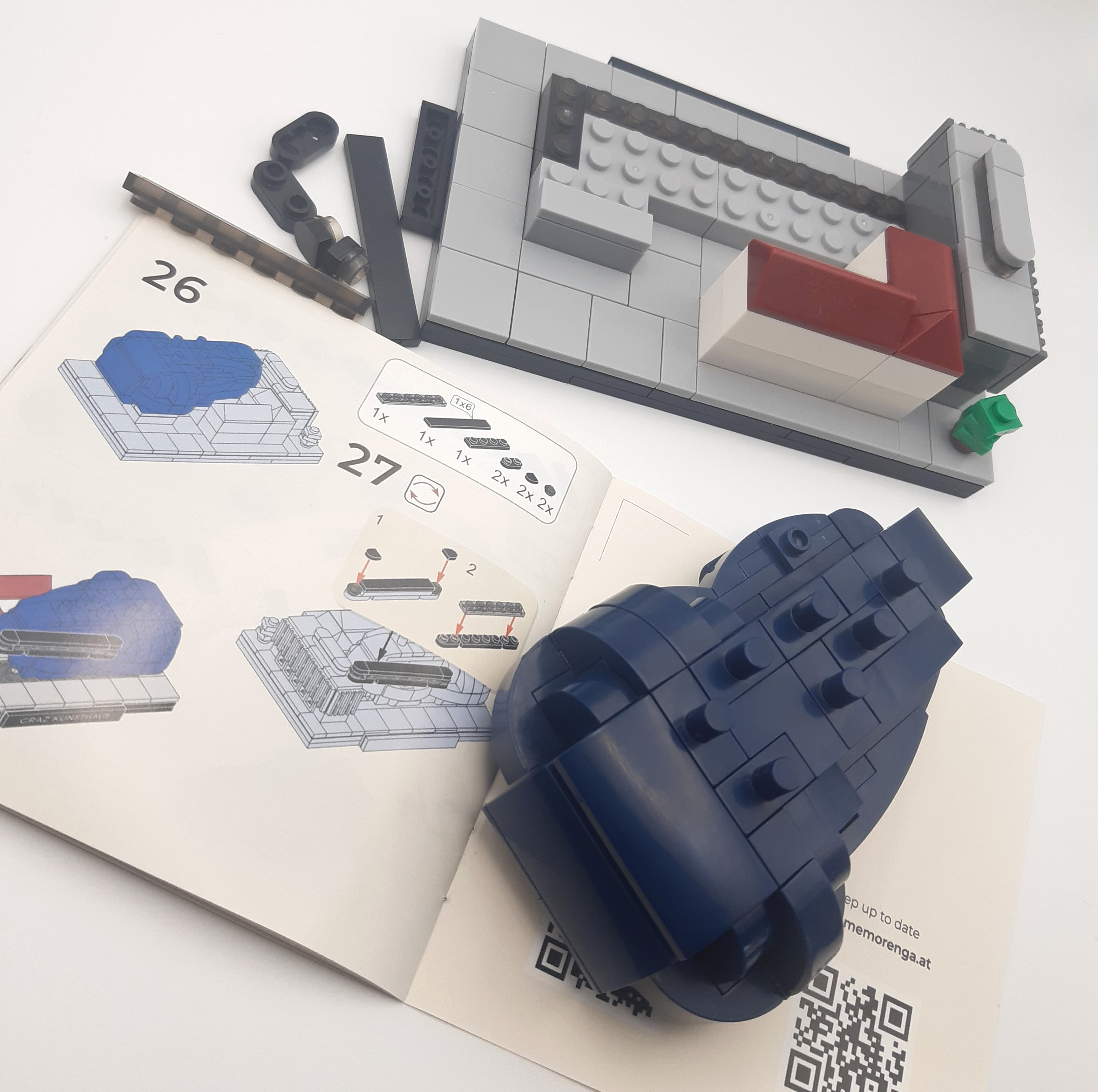
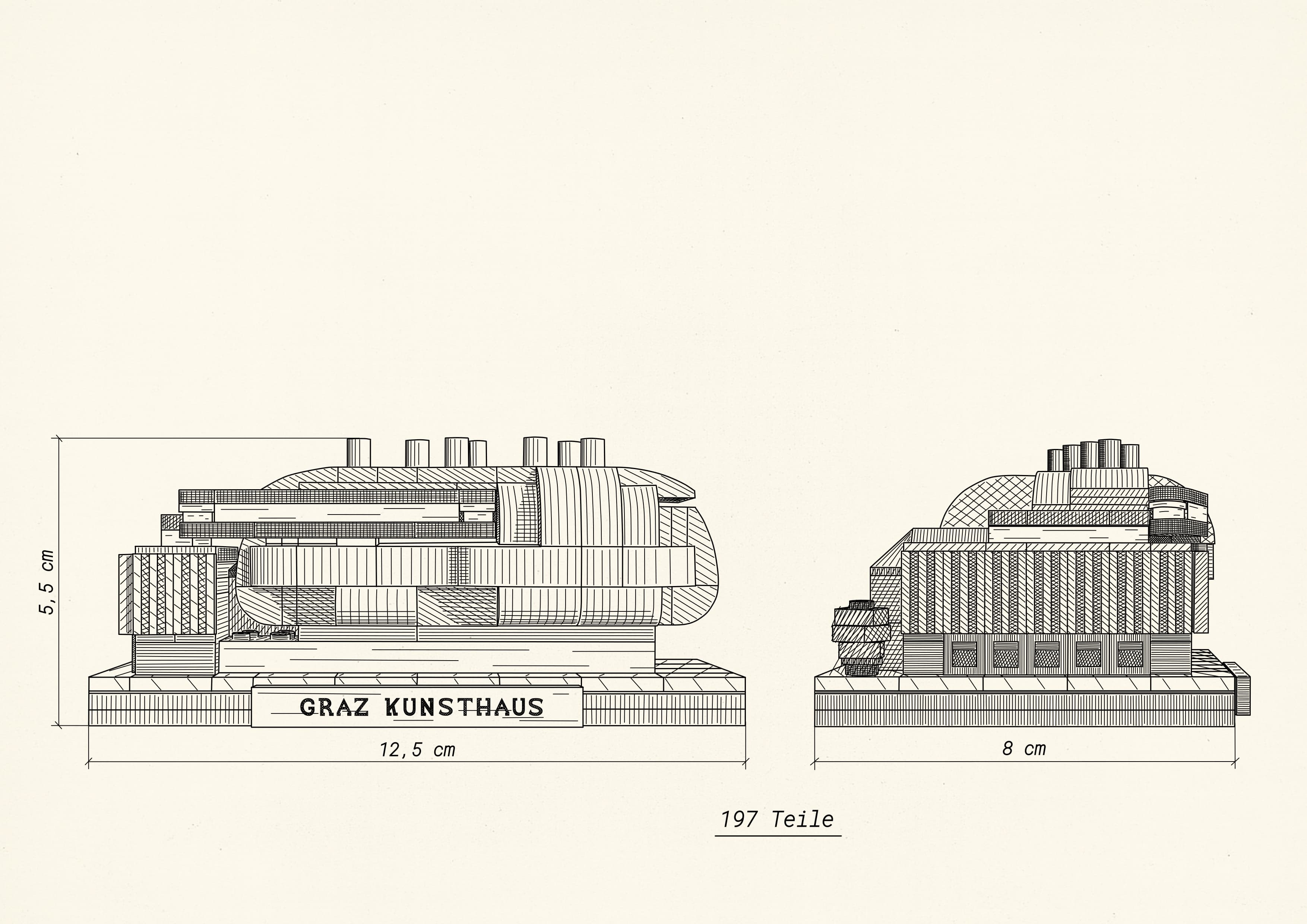
The focus of the Graz Kunsthaus model was to translate the building’s organic, flowing forms into the otherwise clear, right-angled structure of interlocking bricks. The characteristic curves, along with the distinctive rooftop nozzles, make it immediately recognizable and establish a clear connection to the original building. Complemented by the adjacent Eisernes Haus, the model forms a cohesive composition that reflects the building’s unique architecture and its urban context in Graz in a compact way.
The city's stone heart.
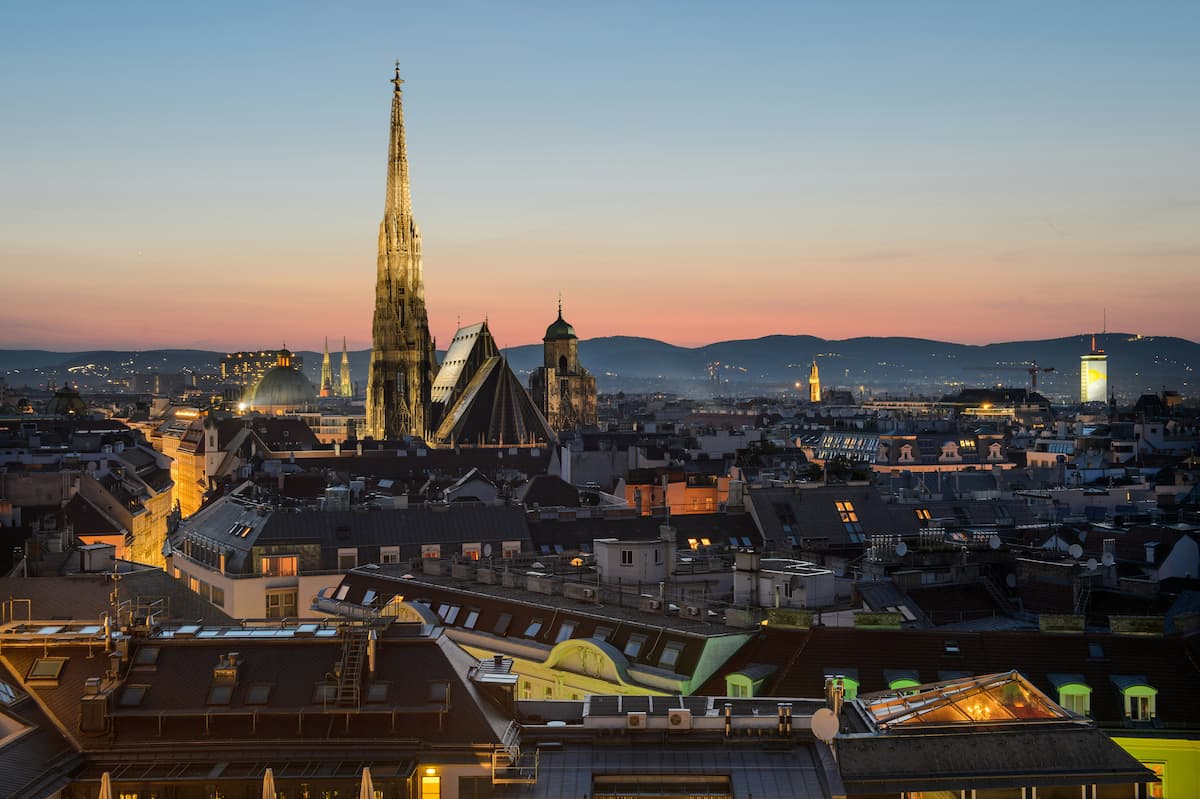
St. Stephen’s Cathedral, affectionately known as the “Steffl”, is Vienna’s most iconic
landmark – majestic, awe-inspiring, and steeped in history. Located in the heart of
the historic city center, it has shaped Vienna’s skyline for centuries and remains a
central place for culture, faith, and gathering.
A church was first built on this site in the 12th century. The present-day Gothic
cathedral took shape mainly during the 14th and 15th centuries. Particularly
impressive: the 136-meter-high south tower, the intricately patterned roof with
over 230,000 tiles, and the "Pummerin" – one of the largest bells in Europe.
St. Stephen’s Cathedral has witnessed many historic moments – from the Ottoman
sieges to Mozart’s wedding. Heavily damaged during World War II, it was lovingly
rebuilt and now stands as a symbol of resilience and unity for the people of Vienna.
Whether exploring the magnificent interior, climbing the tower, or hearing the
"Pummerin" ring on New Year’s Eve – a visit to St. Stephen’s Cathedral is an
essential part of any Vienna experience and leaves a lasting impression.
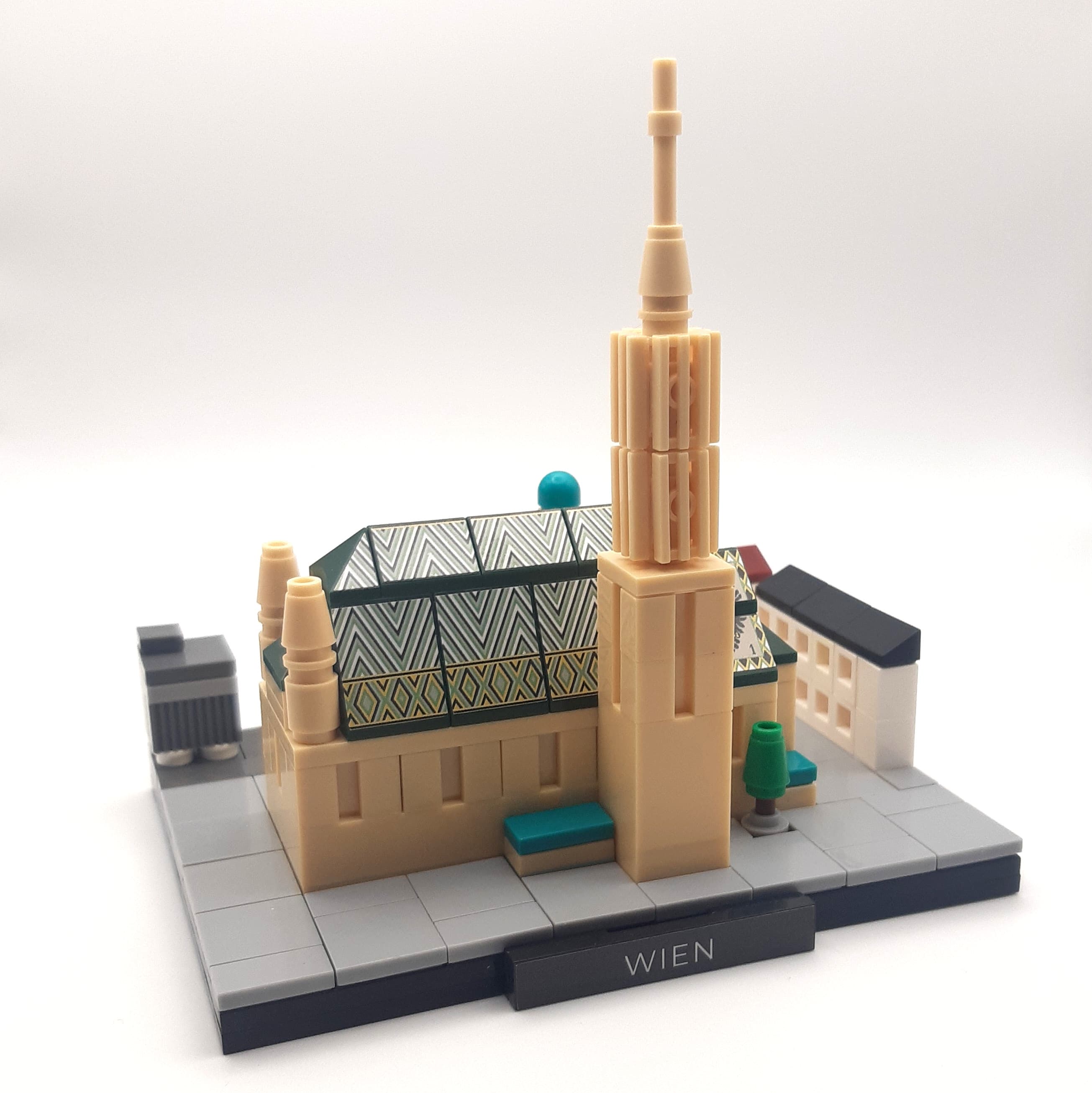
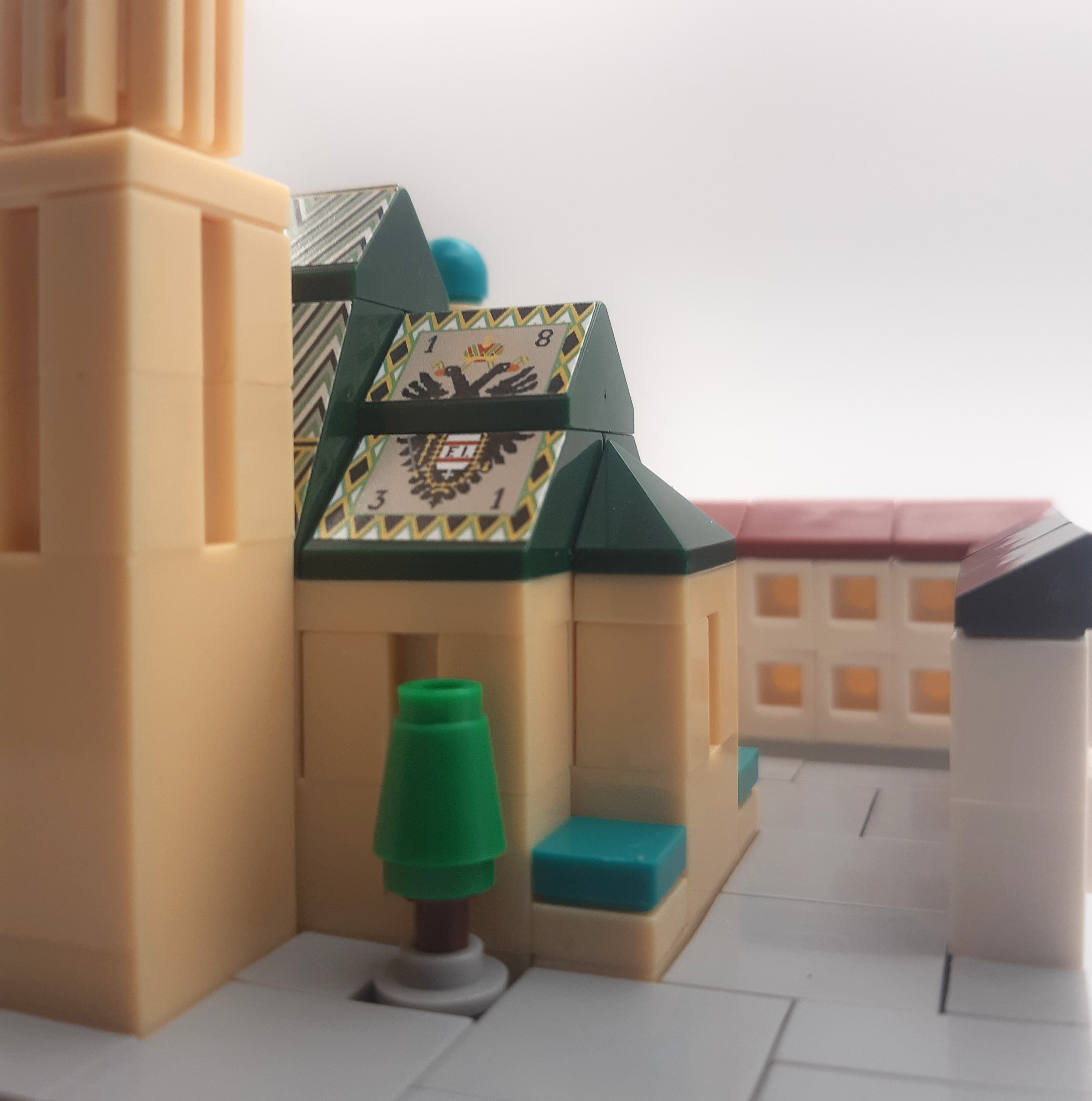
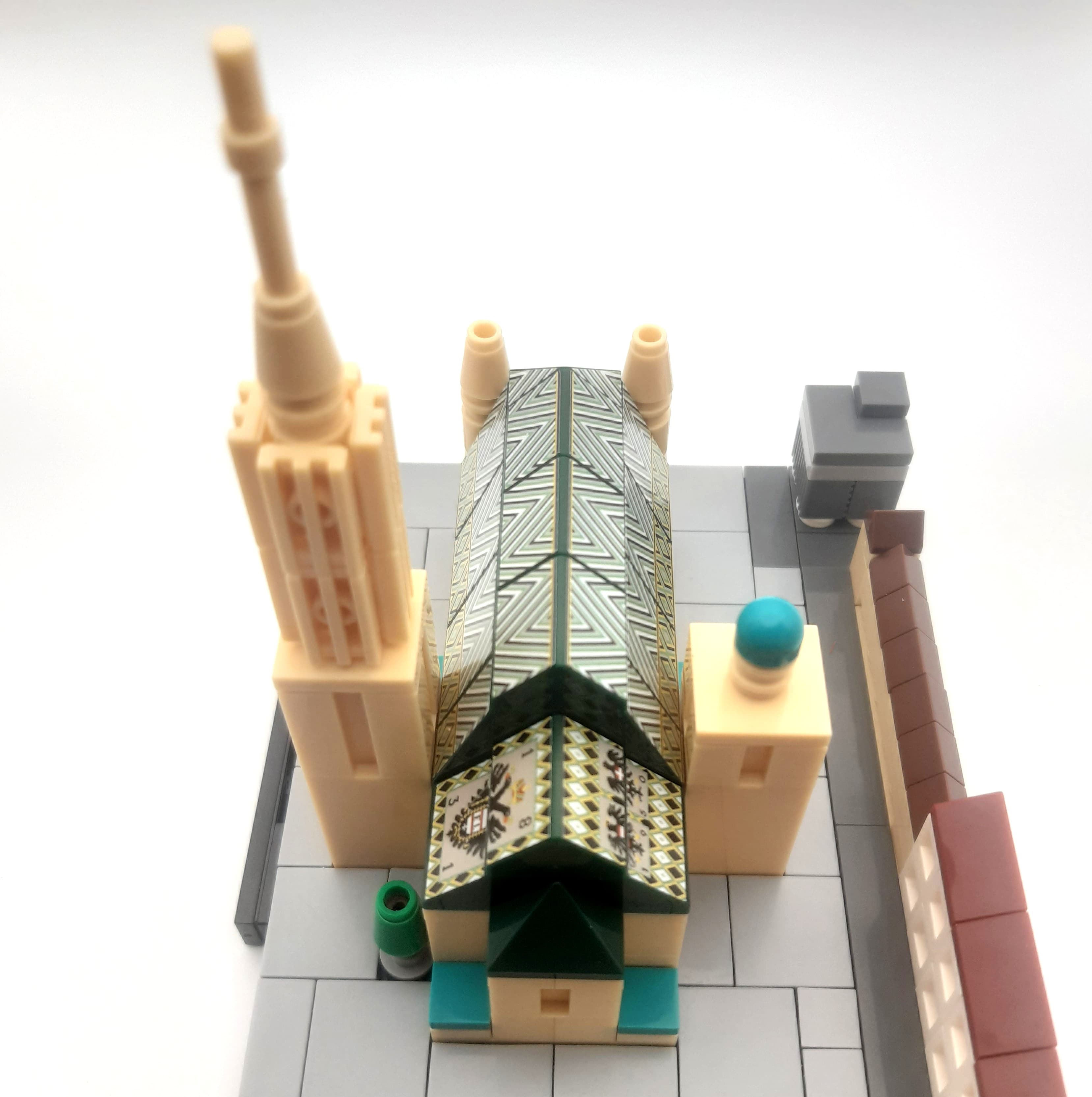
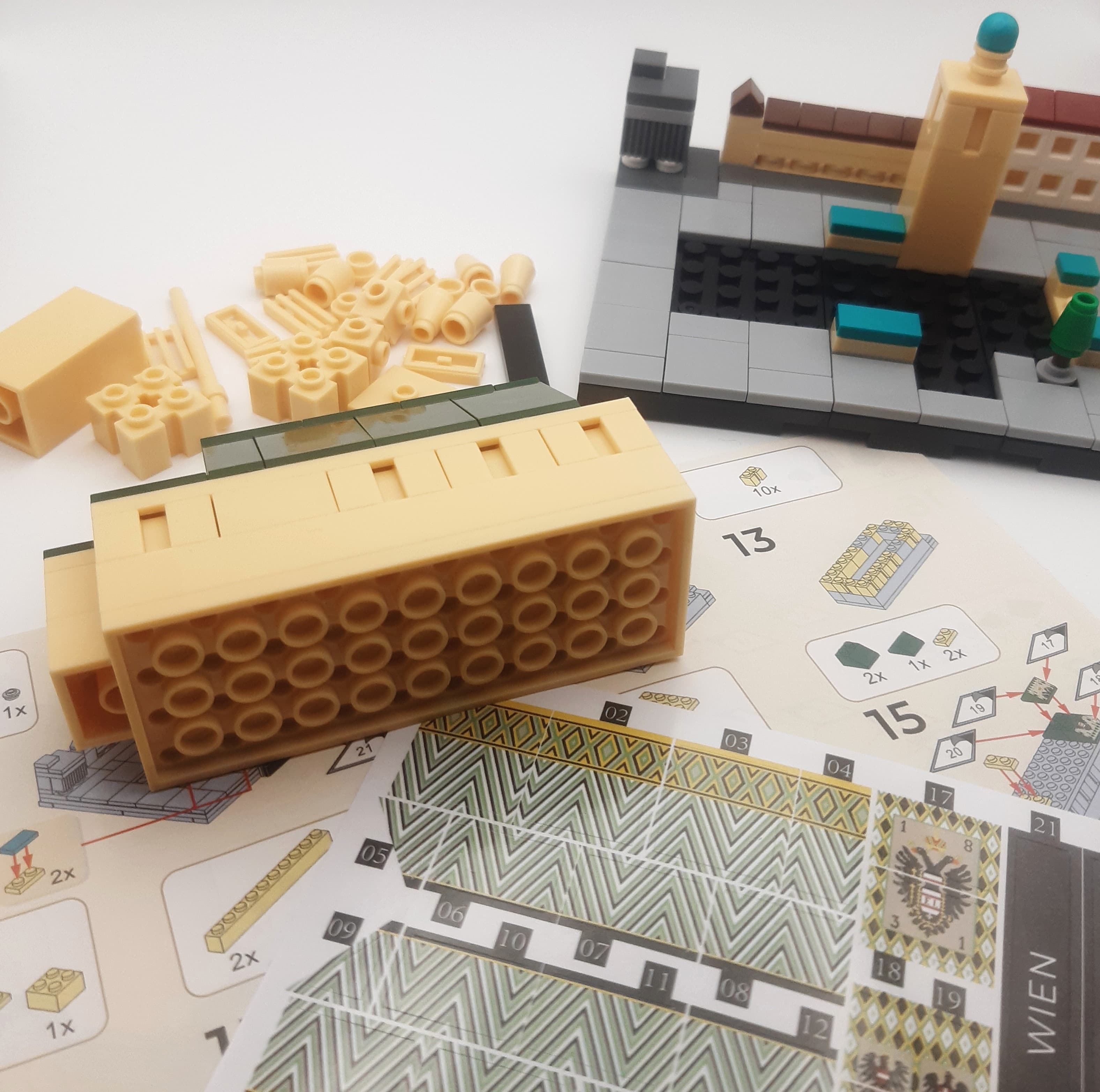
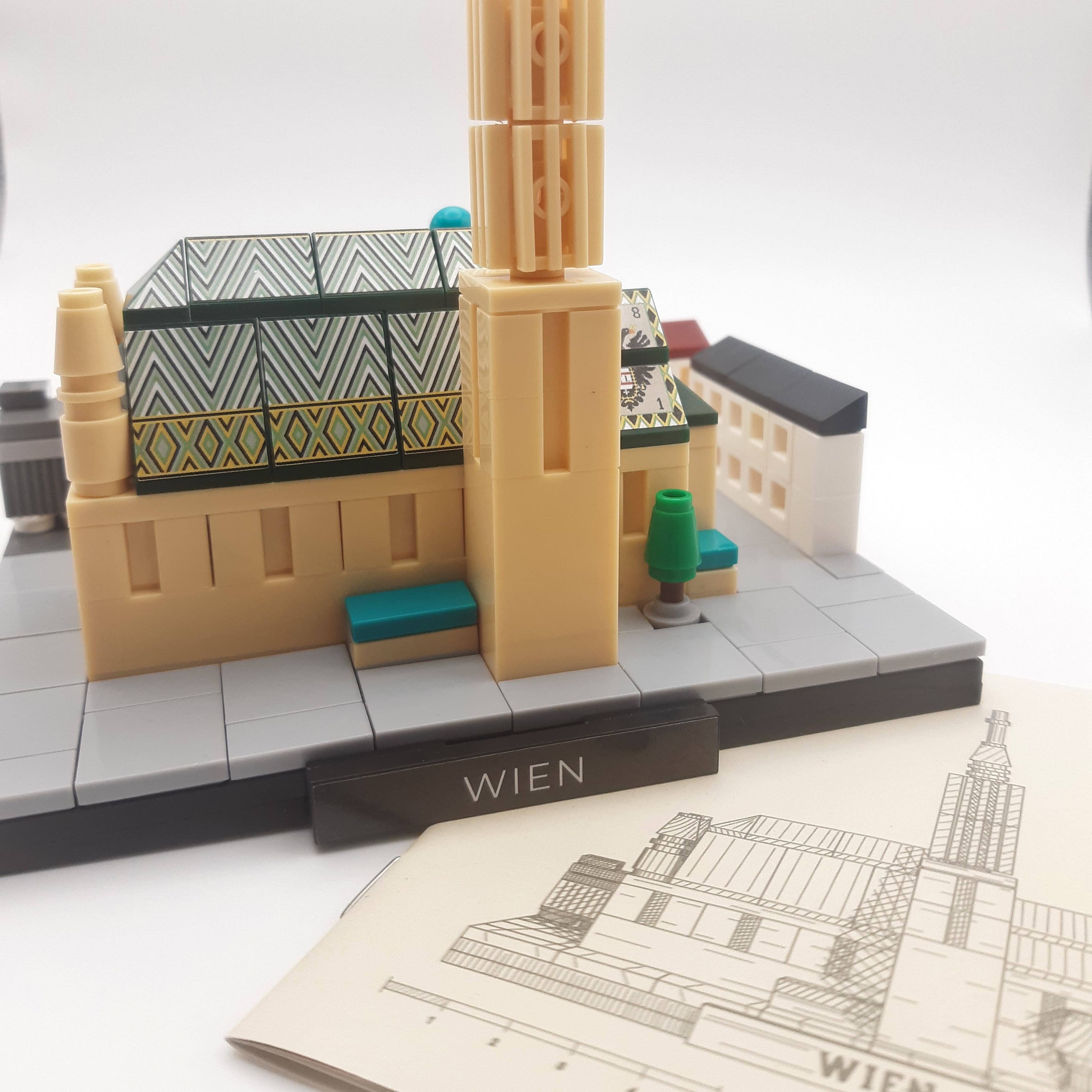
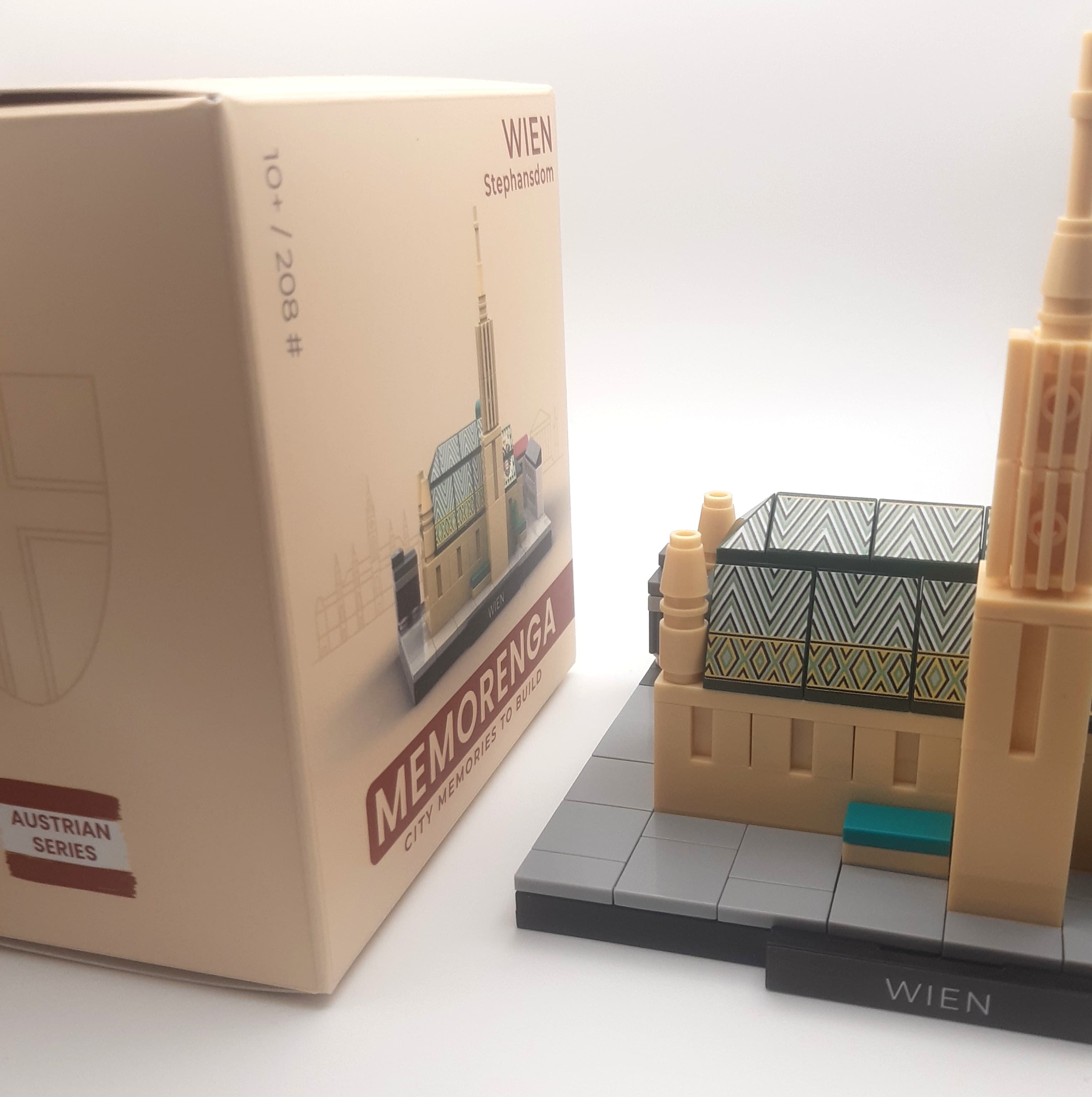
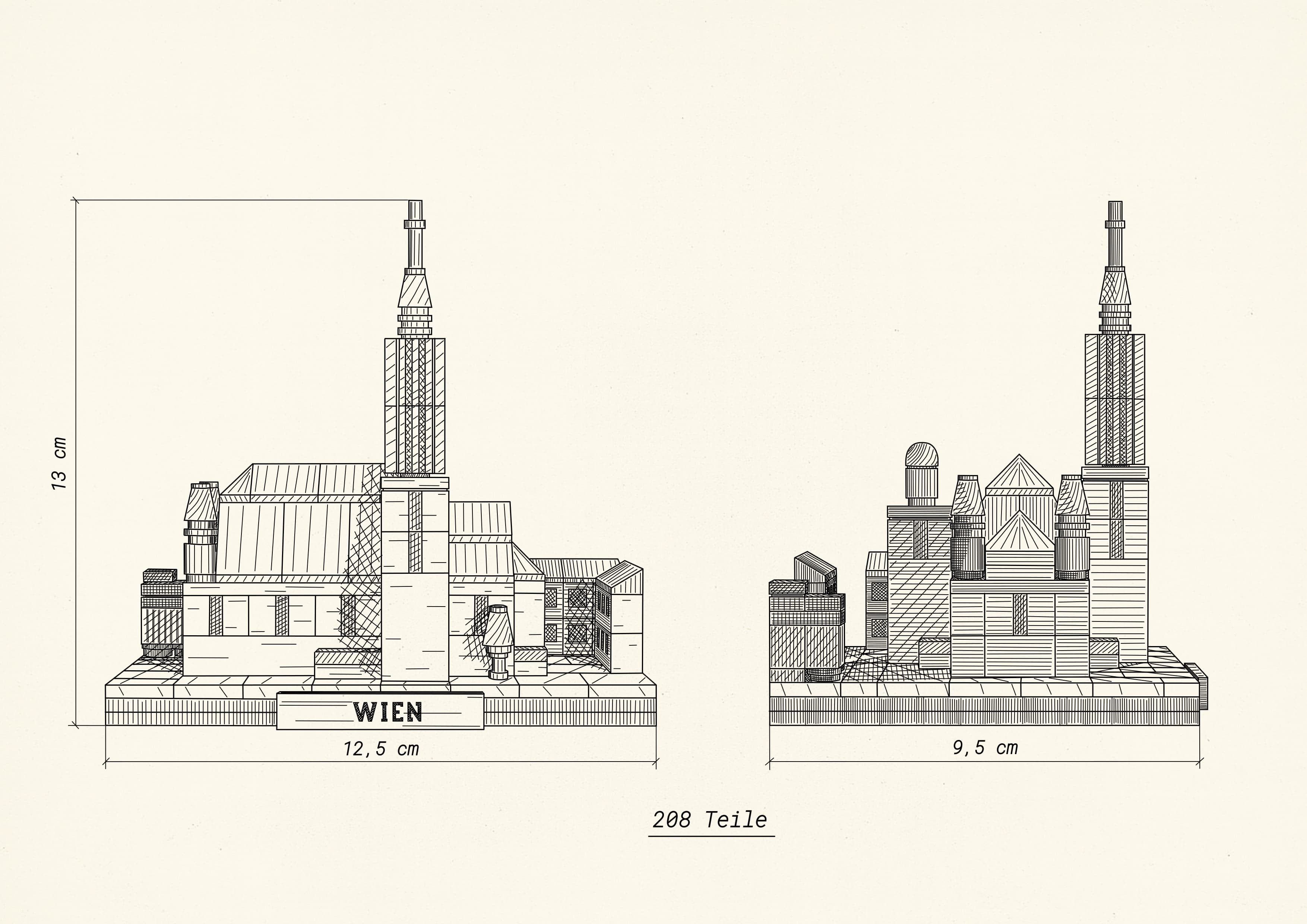
Our goal was not only to capture the cathedral’s distinctive silhouette, but also to include a fragment of its urban surroundings. Adjacent buildings, suggested streets, and the characteristic tree bring the scene to life and make it more tangible. Through this contextual setting, a clearer sense of the true scale of St. Stephen’s Cathedral emerges - as it is only in relation to its surroundings that its impressive size can be fully appreciated.
Guardian on the hill

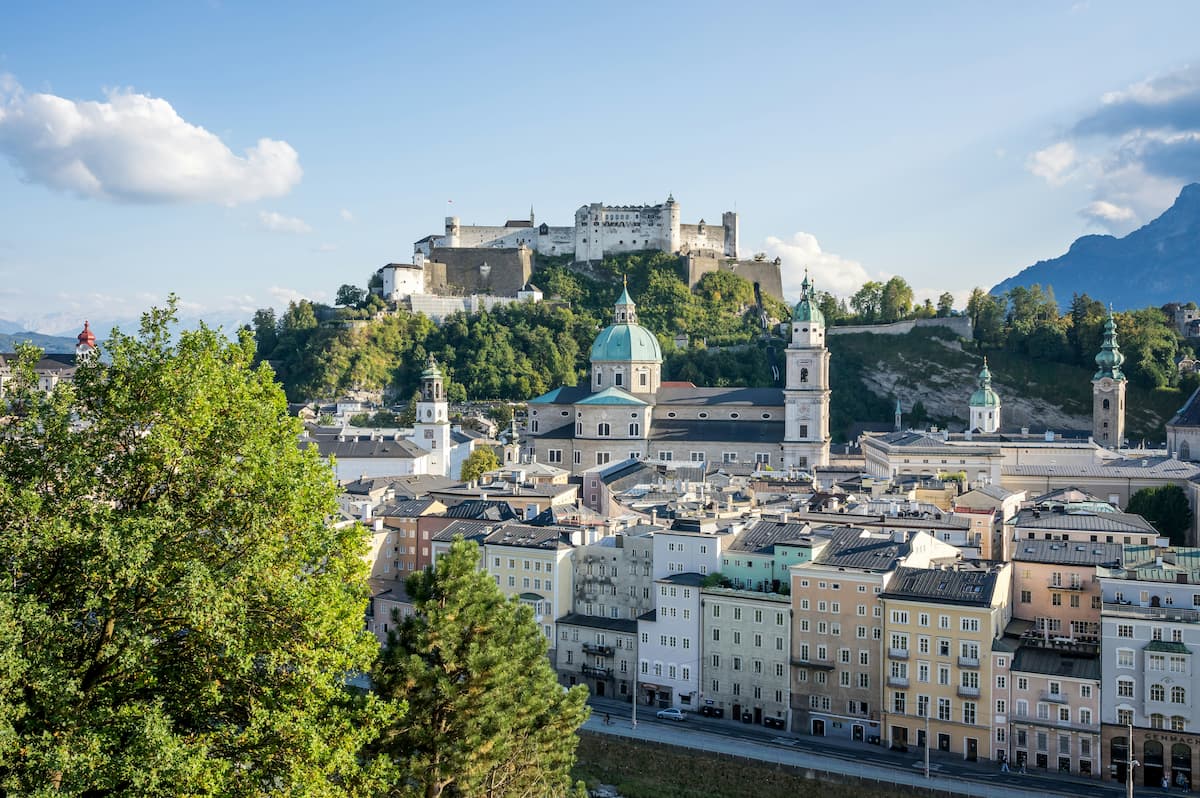
Hohensalzburg Fortress towers high above Salzburg’s historic old town – mighty, full of history,
and offering breathtaking views. As one of the largest fully preserved medieval fortresses
in Europe, it captivates visitors from around the world every year.
Construction began in 1077 under Archbishop Gebhard of Helfenstein. Over the centuries, the
fortress was continuously expanded – primarily for defense and as a symbol of power for the
prince-archbishops of Salzburg. Today, it impresses with its thick walls, towers, ramparts,
and magnificent princely chambers.
Throughout its history, the fortress remained largely unconquered – a testament to its strategic
strength. Even during times of war, it withstood peasant uprisings and attacks by Napoleonic
troops. Since the 19th century, it has been open to the public and has been carefully restored.
Whether on foot or via the funicular railway – the journey up is well worth it. At the top,
visitors are rewarded with fascinating exhibitions, medieval charm, and an unforgettable
view over Salzburg and the surrounding Alps.
Imperial Splendor
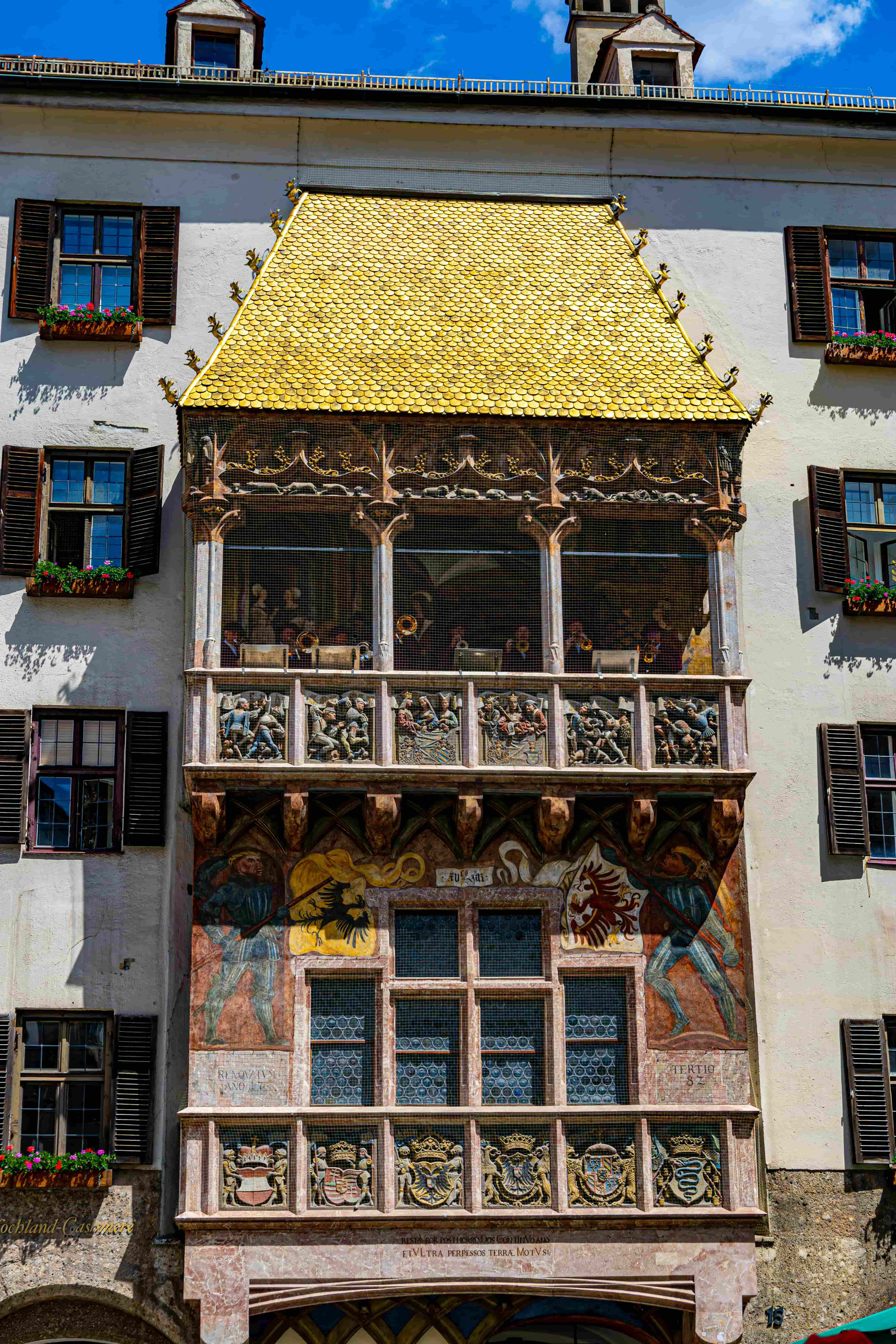
The Golden Roof (Goldenes Dachl) is the most famous landmark of Innsbruck
– gleaming, rich in history, and a symbol of imperial splendor. Located in the heart of the Old Town,
it has drawn attention for centuries and tells a story of power, representation, and courtly life.
The Golden Roof was constructed around 1500 as an extension commissioned by Emperor Maximilian I.
The richly decorated roof is covered with 2,657 fire-gilded copper tiles, which give the building its name.
Particularly striking are the elaborate reliefs and frescoes.
The Golden Roof served the emperor and his court as a representative viewing box,
from which festivals, games, and events in the square could be observed. Today, the building
houses a museum offering insights into the life of Maximilian I.
Whether as an architectural jewel, a historical testimony, or a popular photo motif –
the Golden Roof is a must-see on any visit to Innsbruck and impressively connects the splendor
of the past with the city’s vibrant contemporary culture.